This lesson helps learners understand the main risks that can affect day-to-day business operations and how to think realistically about managing them.
The aim is not to eliminate risk, but to anticipate challenges and reduce disruption.
Learning Objectives
- By the end of this lesson, learners will be able to:
- Understand what operational risk means in practice
- Identify the four key risks affecting their business
- Recognise how these risks could impact operations
- Think about simple, realistic ways to manage risk
What Is Operational Risk?
Operational risk refers to anything that could prevent your business from operating smoothly or achieving its short- to medium-term goals.
Risks are a normal part of running a business.
Problems usually arise not because risks exist, but because they are not anticipated.
The Four Key Risks in Business Operations
This lesson focuses on four common risks that affect most startups and small businesses.
- Market Risk
Market risk relates to changes in demand or conditions that affect your ability to sell.
Examples include:
- Changes in customer behaviour
- Economic pressures affecting spending
- Shifts in trends or preferences
- Local, national, or global events
Key questions to consider:
- What is happening in the market right now?
- Could this reduce demand for my product or service?
- What might change in the next 6–12 months?
Managing market risk means:
- Staying informed
- Being flexible
- Avoiding over-reliance on one type of customer
- Competition Risk
Competition risk comes from other businesses offering similar products or services.
Examples include:
- New competitors entering the market
- Established competitors with more resources
- Competitors offering lower prices or faster delivery
Key questions to consider:
- Who are my main competitors?
- What do they do better than me?
- Where could I realistically stand out?
Managing competition risk means:
- Being clear about your value proposition
- Focusing on strengths you can control
- Avoiding direct competition, you cannot win
- Financial Risk
Financial risk relates to cash flow, costs, and financial stability.
Examples include:
- Running out of cash
- Late customer payments
- Rising costs
- Holding too much stock
Key questions to consider:
- Do I have enough cash to cover short-term costs?
- How dependent am I on regular income?
- What expenses could increase unexpectedly?
Managing financial risk means:
- Monitoring cash flow regularly
- Keeping costs realistic
- Planning conservatively rather than optimistically
- Technological Risk
Technological risk relates to systems, tools, or platforms your business depends on.
Examples include:
- Website or platform downtime
- Data loss
- Over-reliance on one digital tool
- Lack of digital skills
Key questions to consider:
- What technology does my business rely on?
- What happens if it stops working?
- Do I have basic alternatives or backups?
Managing technological risk means:
- Keeping systems simple
- Using reliable tools
- Not relying on technology you don’t fully understand
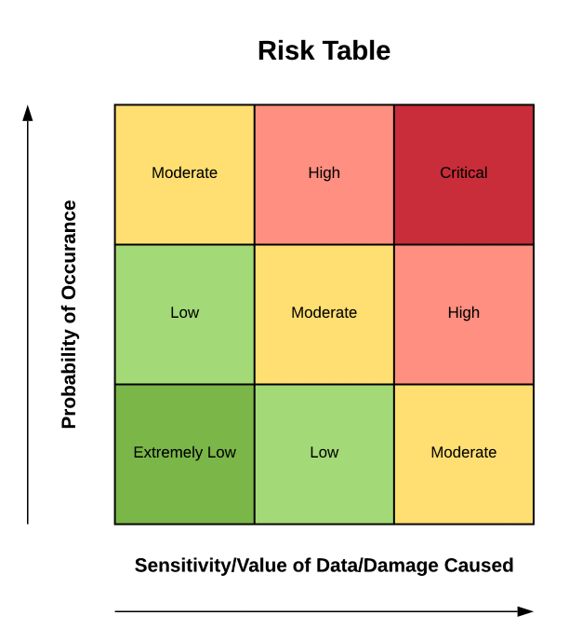
A Simple Way to Think About Risk
For each risk, ask just two questions:
- How likely is this to happen?
(Low / Medium / High) - If it happens, how bad would it be?
(Low / Medium / High)
Simple Risk Table
|
What Could Go Wrong? |
Likelihood (Low / Med / High) |
Impact (Low / Med / High) |
What Will I Do About It? |
|
|
|
|
|
|
|
|
|
|
|
|
|
|
|
Example (Very Simple)
|
What Could Go Wrong? |
Likelihood |
Impact |
What Will I Do About It? |
|
Not enough customers |
Medium |
High |
Start with small test sales |
|
Running out of cash |
High |
High |
Track spending monthly |
|
Feeling overwhelmed |
Medium |
Medium |
Set weekly priorities |
Connect Risk to Your Plan
Look back at your operational plan and ask:
“What could stop this from happening?”
Then write one simple action to reduce that risk.
You don’t need to eliminate risk, just reduce the damage.